














IDMe for ENTERPRISE

Verify once. Recognize everywhere.

IDMe confirms the person behind every account, application, and interaction, then lets them reuse that verified identity instead of proving it again at each touchpoint.
Talk to Sales
Explore solutions
American flag waving on a flagpole in front of an ornate white government building with columns and detailed architectural features under a partly cloudy sky.
Female healthcare professional wearing navy scrubs and a stethoscope around her neck, working on a laptop in a clinical setting.
Icon of a hospital building with a medical cross above the entrance.
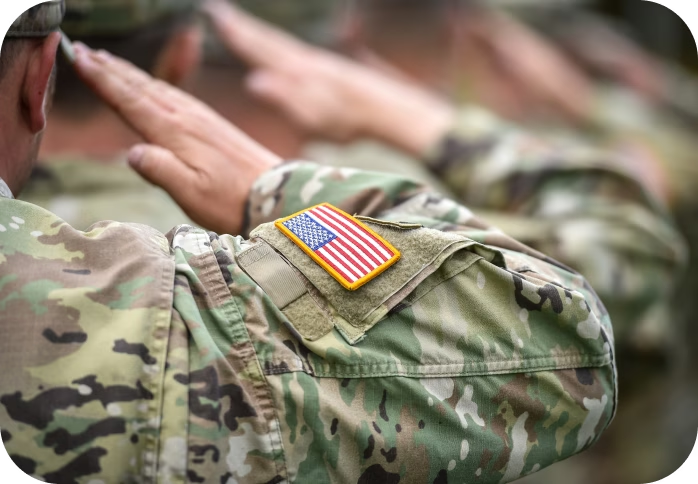
Close-up of soldiers in camouflage uniforms saluting, showing a U.S. flag patch on one soldier's sleeve.
Icon showing three stylized people in dark green on a light gray rounded rectangle background, representing a group or community.
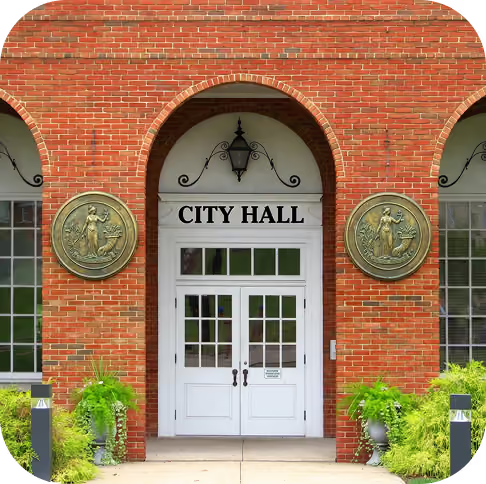
Entrance of a city hall building with three arches, a white double door labeled 'CITY HALL', two large round bronze plaques with classical figures mounted on the brick wall, and greenery in planters and bushes around the entrance.
Icon of a building with a dome, an entrance, windows, and an adjacent flag on a pole.
Smiling woman in business attire using a touchscreen kiosk or check-in terminal in a modern building lobby with stylish lighting and elevators in the background.
Icon of an identification badge with a person silhouette inside a rectangular frame and a loop at the top.
Smiling woman with glasses and curly hair sitting at a desk behind a computer monitor, engaging with a person on the other side of the counter in a bright office environment.
Chosen wherever identity matters
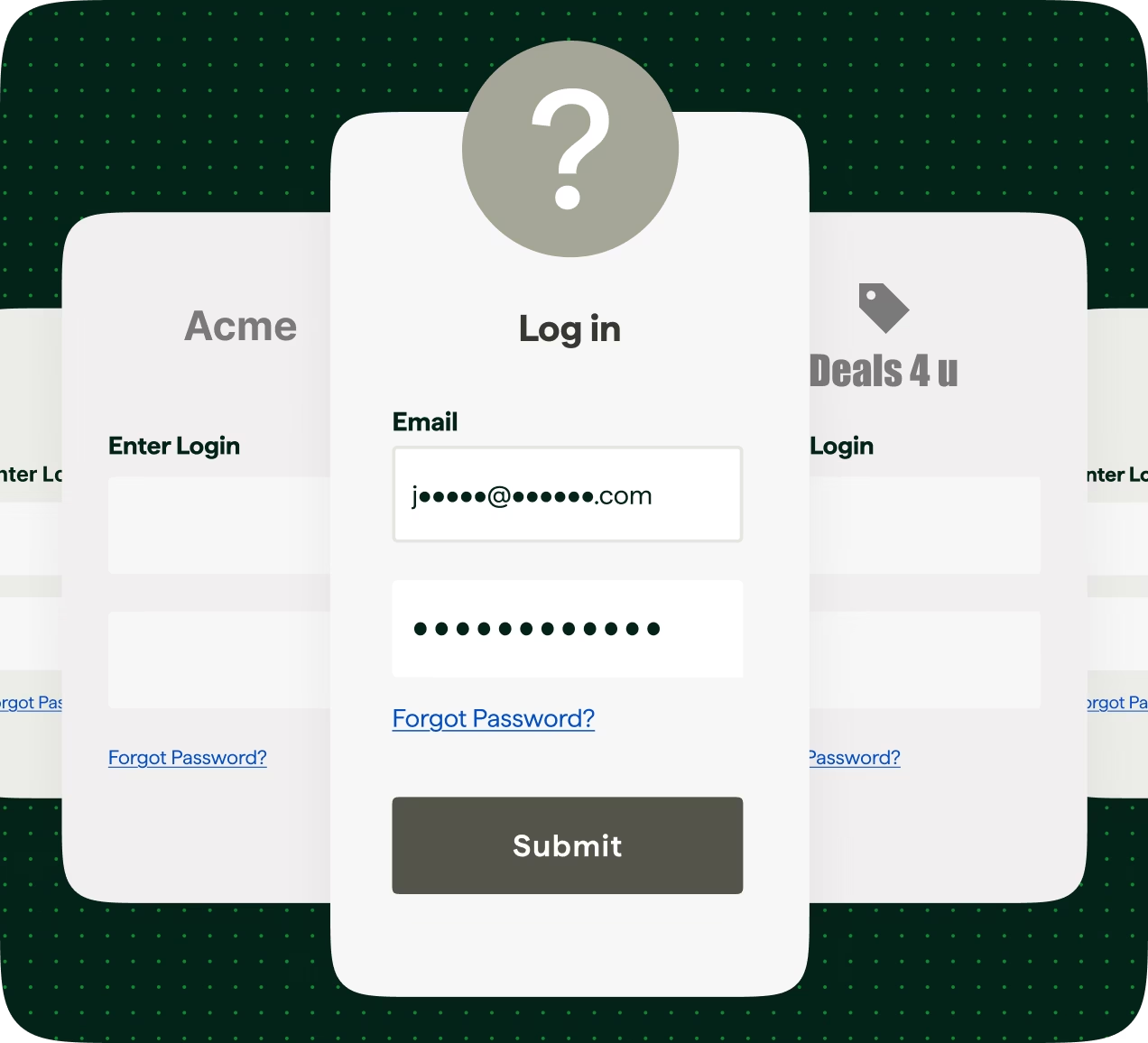
A digital login interface with three overlapping rounded-rectangle panels. The center panel features a large question mark icon at the top, the text 'Log in,' fields for entering email (partially obscured) and password, a 'Forgot Password?' link, and a dark rectangular 'Submit' button. The partially visible left and right panels each have header text 'Acme' and 'Deals 4 u' respectively, with login input fields and 'Forgot Password?' links.
The trade-off

You don't always know who's behind the login

Users can move through onboarding, access, support, or redeeming an offer without ever being tied to a verified person. That leaves room for stolen credentials, fabricated documents, and ineligible benefits, while legitimate people face repeated verification.
Our approach

Turn verification into a reusable credential

IDMe turns identity proofing into a high-assurance credential that moves with the person, not a one-time check that expires. Returning members sign in instantly, so trust doesn't reset at every touchpoint.
‍

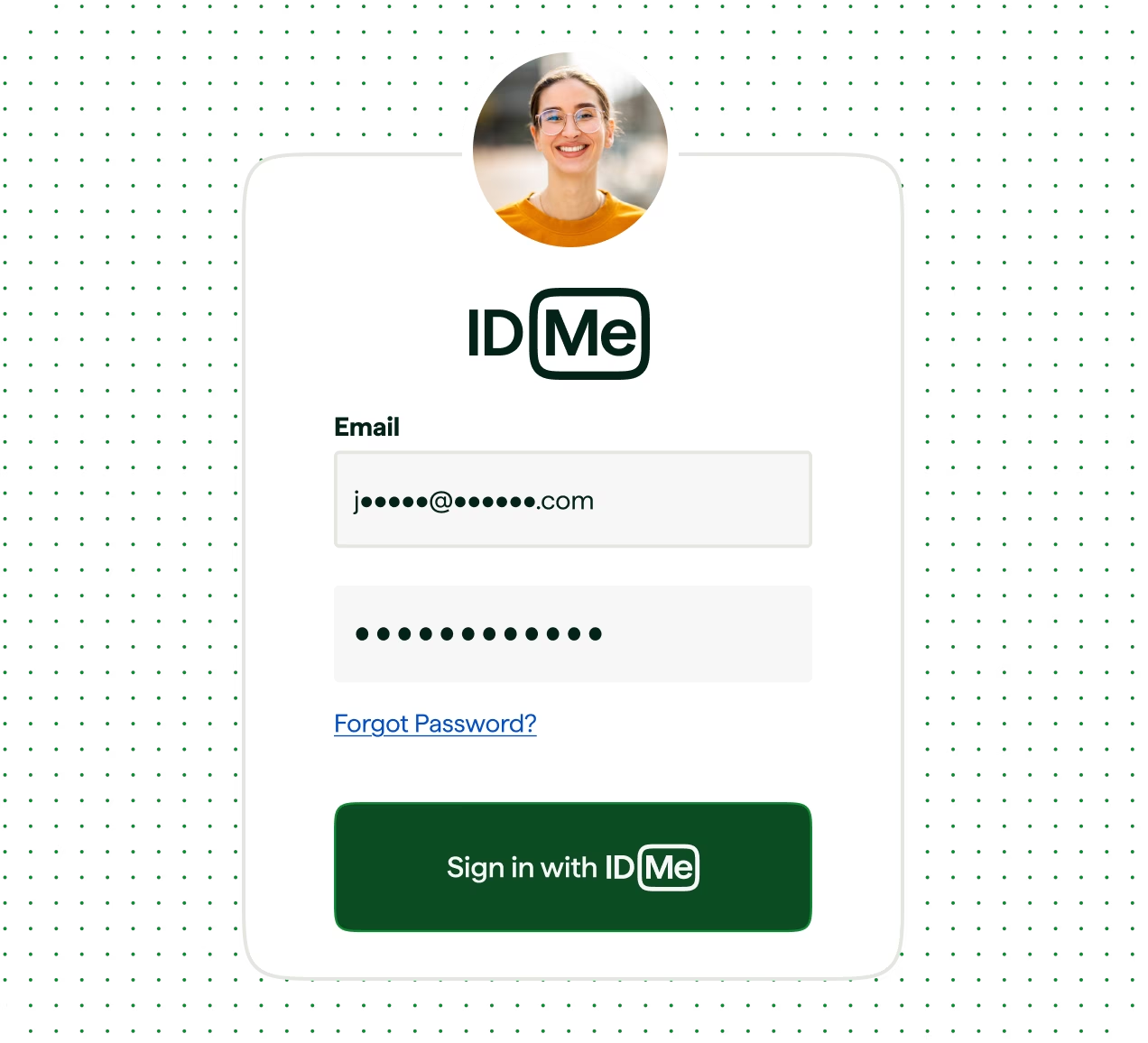
Login interface for ID Me with a circular photo of a smiling woman wearing glasses and an orange top at the top, fields to enter an email and password, a 'Forgot Password?' link, and a green button labeled 'Sign in with ID Me'.

Trusted identity across your enterprise

Prevent fraud before it enters your systems

Layered document, biometric, device, and fraud signals help verify the person behind an account, application, or transaction.

Help more legitimate people get through

Returning users can sign in with an existing IDMe Wallet, while new users can choose self-service, live video chat, or in-person verification.

Move people faster, everywhere

One reusable credential cuts help desk volume, speeds up onboarding and checkout, and frees your team from maintaining repeat verification across every system.

Built for the people your organization serves

Commerce

Turn verified shoppers into lasting customers

Reach high-value audiences, verify eligibility, protect exclusive offers, and build lasting relationships.
Explore Commerce
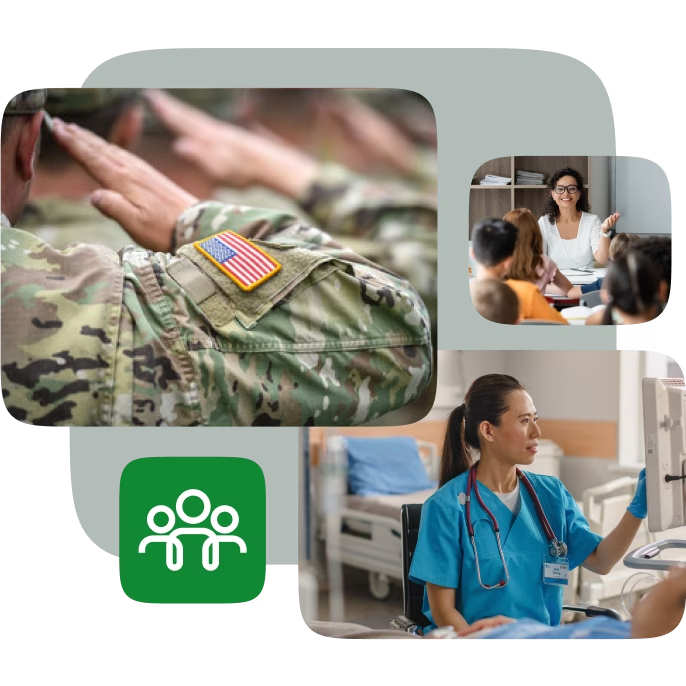
Collage with a U.S. soldier in camouflage uniform saluting, a female teacher smiling and engaging with students in a classroom, and a nurse in blue scrubs working with a medical monitor in a hospital setting, alongside an icon of a group of people.
Healthcare

Secure identity across every healthcare journey

Carry one reusable identity across patient services, patient matching, provider workflows, workforce access, and account recovery.
Explore Healthcare
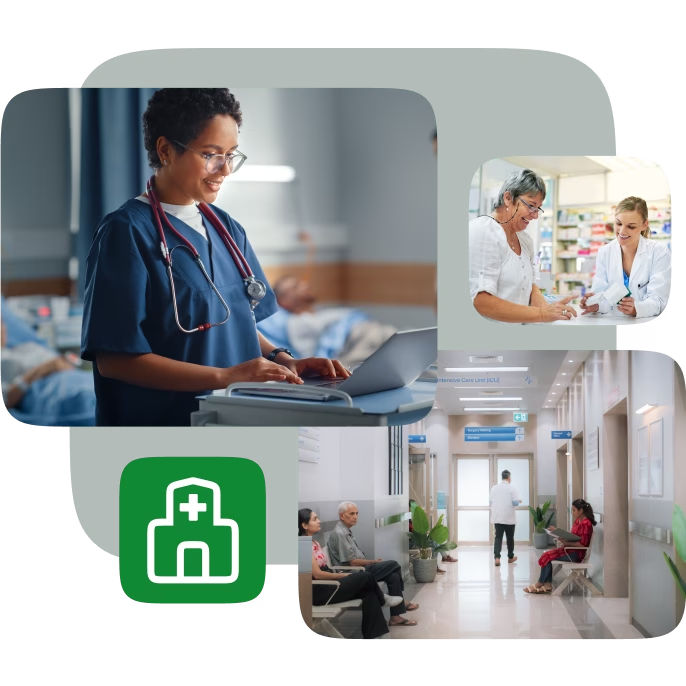
Collage of healthcare scenes including a smiling nurse working on a laptop in a hospital room, a pharmacist advising an older woman at a pharmacy, and patients waiting in a clinic corridor while a doctor walks away, alongside a medical facility icon with a cross.
Workforce

Establish identity from hire to retire

Verify candidates, employees, and contractors, then carry that identity across hiring, onboarding, system access, account recovery, and offboarding.
Explore Workforce
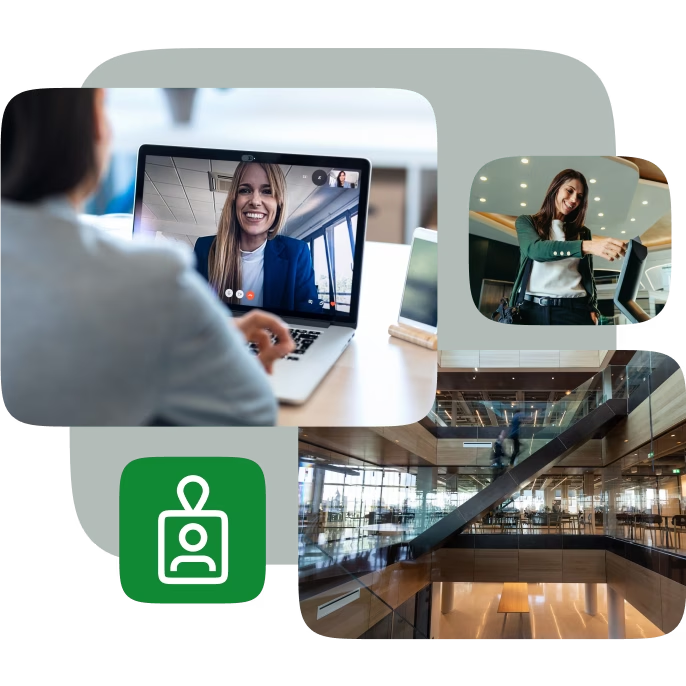
Collage showing a woman video chatting on a laptop, a smiling woman using a card to access a building, and a modern office interior with glass walls and escalators.

How it works

1
Start where identity matters

Integrate IDMe into application, onboarding, account creation, recovery, or another high-risk interaction.

2
Recognize the person

Returning members sign in with an existing credential; new users complete the verification path that works for them.

3
Share only what’s needed

With permission, IDMe provides the verified information required for that interaction—not the underlying documents.

4
Connect the journey

Each new touchpoint checks
the existing credential instead of launching a new verification flow, so the person keeps moving forward.

100M+
Americans in the IDMe network
giving more people the opportunity to sign in with an existing credential.
95M+
High-assurance IAL2 credentials
issued to date, showing that strong identity verification can work at population scale.
50%+
Already verified
across enterprise experiences, so more people can sign in and keep moving.

Certified at the highest level

The same certified infrastructure that powers government identity, built for commercial use:
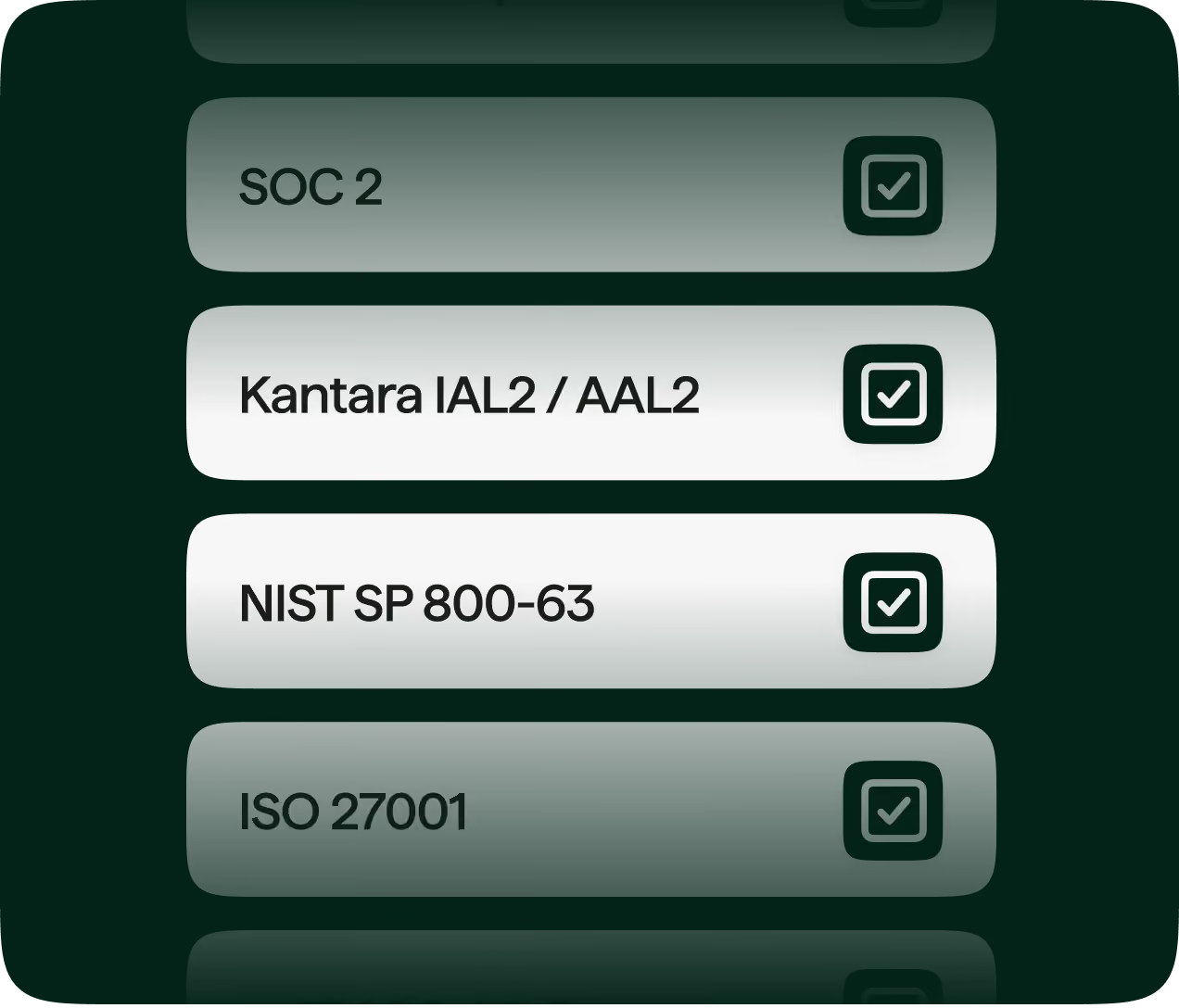
  • Kantara IAL2/AAL2 since 2018
  • NIST SP 800-63-3 conformant identity and authentication assurance
  • FedRAMP Moderate ATO, VA-sponsored and listed on the FedRAMP Marketplace
  • ISO 27001 certified and SOC 2 Type II attested
List of security certifications with checkboxes checked next to SOC 2, Kantara IAL2/AAL2, NIST SP 800-63, and ISO 27001.

Related resources

Frequently asked questions

What is IDMe for Enterprise?

IDMe provides a reusable identity layer for workforce, healthcare, and customer experiences. Organizations can establish identity at a high-risk moment, then recognize the same person across connected workflows without requiring a full identity-proofing process every time.

Do I still need this if I already use single sign-on?

Single sign-on and multi-factor authentication confirm you have the right login or device. Neither confirms you're the right person. IDMe adds that missing step and works alongside the tools you already have.

Do people have to verify their identity every time?

No. Many people can sign in with an existing IDMe credential. Organizations can reuse the verified identity across connected workflows and request additional checks only when the risk or context calls for them.

How does IDMe work with our existing systems?

IDMe integrates through APIs and supported connectors with systems that manage hiring, employee records, access, customer relationships, ecommerce, healthcare, and help desk workflows. Those systems continue to perform their existing functions while IDMe helps establish and carry the verified identity across them.

What information does IDMe share with businesses?

People can see what verified information an organization requests and provide permission before IDMe shares it. The organization receives the information needed for that interaction rather than the underlying identity documents used during verification.

What compliance certifications does IDMe have?

IDMe is a Kantara-approved NIST 800-63-3 IAL2/AAL2 credential service provider, and holds FedRAMP Moderate authorization and ISO 27001 certification, and completes an annual SOC 2 Type II audit.


Build every interaction on a trusted identity

See how IDMe can help your organization reduce identity fraud, make verification easier for legitimate people, and carry trust across the systems and experiences you already use.